
30 October 2026 | See disclaimer
On this page:
- Common causes
- Flexi-hoses
- Appliances and plumbing fittings
- Bathroom maintenance
- Drainage inside and around your home
- Know your home: the mains tap and warning signs
- What to do when water damage happens
- Before you go away
Common causes of water damage
Water damage can happen fast or build slowly. A burst flexi-hose from a dishwasher or washing machine can flood a room in minutes, while a slow drip behind a wall may go unnoticed for months. Water damage is one of the most common and costly problems for Australian homeowners, and much of it is preventable.
Common causes of water damage include:
- Flexi-hose failures: flexible plumbing connectors under sinks, basins and toilets can burst suddenly when ageing or corroded
- Ageing appliances: water leaking from washing machines, dishwashers and fridges due to worn seals, hoses or connections
- Blocked or damaged plumbing: slow drains, blocked stormwater pipes or cracked pipes from growing tree roots
- Bathroom wear: failed waterproofing, deteriorated grout and sealant, allowing water to spread behind tiles and walls
- Roof and gutter problems: Overflowing gutters and damaged roofs from hailstorms and heavy rain
Regular attention and routine maintenance to each of these areas around your home can prevent costly water damage.
1. Check and replace flexi-hoses
Flexi-hoses are short, flexible connectors (as seen below).
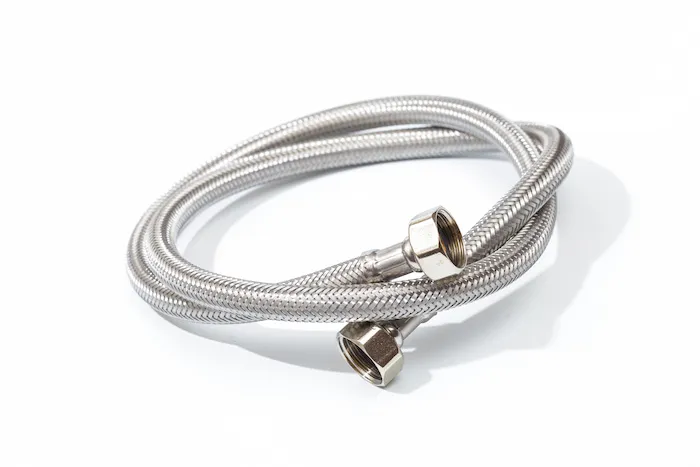
A flexi-hose is a rubber tube wrapped in braided stainless steel that links taps, toilets, dishwashers and hot water systems to your water supply. You’ll find them under most sinks, basins and behind toilets in Australian homes. While they’re inexpensive, discreet and easy to overlook, flexi-hoses are one of the most common causes of significant water damage.
A burst flexi-hose can release hundreds of litres of water per hour, and if it happens while you’re at work or away, the damage can reach tens of thousands of dollars before anyone notices.
Warning signs to look out for
- Rust or corrosion on the braided steel: a sign that the inner rubber hose may be compromised
- Bulging or ballooning of the braiding: the rubber inside has weakened, and the hose could burst soon
- Fraying or broken strands on the steel: the hose is failing; call a licensed plumber immediately
- Kinks or sharp bends: these create pressure points that can weaken the hose over time
- Any visible dripping or moisture on the hose
How often to check and replace
Check your flexi-hoses every six months and replace them every five years, or sooner if you see any warning signs. We suggest always using a licensed plumber to install flexi-hoses in your home. They should hold a WaterMark certification to adhere to the Australian standard for plumbing products.
If you store cleaning products under the sink
Cleaning products and chemicals can accelerate flexi-hose corrosion, so be mindful of storing them close together and keep your cupboards clear enough to notice if the hose and connection points require attention.
2. Monitor appliances and plumbing fittings
Washing machines, dishwashers, fridges and air conditioners are all sources of potential water damage when they age or develop faults such as split hoses, corrosion and worn seals.
Washing machines and dishwashers
The hoses that connect washing machines and dishwashers to the water supply are also a common failure point. When you check your flexi-hoses, consider checking for corrosion, bulging, fraying or any moisture on these hose connections too.
Also check:
- Door seals and gaskets for cracking or deterioration
- Filters (a clogged filter can cause overflow of water)
- Any small wet patches under or alongside the appliance after a wash cycle
Fridges
If your fridge has a water or ice dispenser, check the water line connection regularly. Check the drip tray inside the fridge or freezer for any signs of overflow or blockage to prevent any future water damage.
Air conditioners
Air conditioners have drain lines to remove condensation. When these become blocked, water can leak into the ceiling or wall cavity. Signs of a problem include water stains on the wall, ice forming on the air conditioner unit or a persistent dripping sound.
To avoid any water damage from your air conditioner, get your appliance checked by a professional servicing company each year. A typical service will include checking and clearing the drain line.
A simple monthly check you could do
Spend five minutes once a month checking under every sink and around every appliance that uses water.
Look for:
- Dripping or moisture
- Pooling water or damp patches on the floor
- Mould or musty smells in enclosed cupboards
- Any change in your water bill that you can’t explain (a slow leak you can’t see will often show up here first)
3. Maintain bathroom grout, sealant and drains
Bathrooms are constantly exposed to water and moisture, which can lead to natural wear and tear. This type of damage isn’t covered by your Home Insurance policy. Regularly checking your bathroom for water damage may help you catch costly problems early.
Waterproofing and sealant
Modern bathrooms have a waterproof membrane beneath the tiles that prevents water from getting into the wall and floor structure. Over time, grout and sealant can deteriorate and allow moisture through, causing natural wear and tear.
Look for:
- Cracked, missing or discoloured grout around tiles, particularly in the shower
- Deteriorated sealant cracking around the bath, basin, toilet base and shower screen
- Bubbling or peeling paint on walls near the shower or bath due to moisture behind the surface
- Hollow-sounding tiles when tapped — a tile that sounds hollow may have lost its adhesion due to water getting behind it
- Mould on grout or sealant can mean there is a moisture problem
Many homeowners can re-grout and re-seal a bathroom themselves, but repairing waterproofing or adding it to an older bathroom always requires a specialist. Each state has its own rules about who can carry out waterproofing work, so make sure to check your state’s requirements before starting any work.
Drains
Slow drains can become urgent. A partial blockage today can become a full blockage that can cause water overflow in your home. Hair, soap residue and debris are the usual culprits in bathroom drains, and a simple drain cleaner from the supermarket can clear out most blocked drains.
When using a drain cleaner, follow the product instructions carefully and don’t mix drain cleaning chemicals. If it doesn’t clear, or you have multiple sinks slowly draining in your home, call a licensed plumber.
4. Inspect drainage inside and around your home
Stormwater drains are the underground pipes that take rainwater from your downpipes and direct it away from the property. A blocked stormwater drain can cause water to back up and enter your home.
Common causes of blockages:
- Leaf litter and garden debris blocking the drain grates
- Tree roots growing into older pipes
- Broken or missing drain grate covers causing leaves and twigs to block the drain
Maintenance tips:
- Clear leaves and debris from drain grates monthly, and more regularly in autumn when leaves are falling
- After heavy rain, check that water flows freely from downpipes rather than pooling at the base
Garden drainage and foundations
Water that pools against your external walls can seep into your home’s foundations over time. Check that garden beds against the house are not holding water against the walls, and that the ground slopes gently away from the home rather than toward it.
Call a licensed plumber if you notice:
- Slow drainage from multiple points
- Persistent pooling on the ground after heavy rain
- Any sign of tree root damage
Know your home: The mains tap and warning signs
Every home has a main water shutoff tap, which is usually near the front of the property at the water meter, under the kitchen sink or in the garage. We suggest finding your mains tap before you need it. Make sure every member of the household knows where it is and how to operate it. This way, if there is a water emergency, you’ll be able to locate the tap and turn it off immediately to stop further water damage.
General warning signs
- Water stains or brown marks on ceilings or walls
- Bubbling, peeling or blistering paint
- A persistent damp smell or musty odour
- Mould on walls, particularly near the floor or ceiling lines
- Unexplained increases in your water bill
- The sound of running water when all taps are off
- Soft spots in timber floors or skirting boards
What to do when water damage happens
If you discover a water leak or burst pipe, act quickly. The first few minutes are crucial.
Step 1: Stop the water
Turn off the isolation valve for the appliance, or turn off the mains tap to stop all water to the property. If the leak is near your electrical switchboard or you are uncertain about safety, turn off the power at the mains.
If you return home to find your property flooded, turn off the water and power at the mains before entering. Don’t enter a flooded property where power may still be on.
Step 2: Document the damage
Take photos and videos of all affected areas before you start cleaning up. Capture the source of the leak as well as the wider damage to rooms, flooring, walls and contents. This documentation can help support your insurance claim.
Step 3: Remove water and ventilate your home
Use towels and mops to remove the water, open windows and doors, turn on fans and move wet items outside to dry. Mould can begin to develop within 24 to 48 hours in damp conditions, so it’s important to act quickly.
Step 4: Contact your insurer
Call your insurer as soon as you reasonably can, and don’t arrange repairs without first speaking to your insurer, unless those repairs are necessary to prevent further damage. Remember to keep all receipts for repairs so you can provide them with a claim.
Before you go away: A quick checklist
If you are going away, few simple precautions before you leave.
- Turn off the water at the mains, or the isolation valves for individual appliances such as your washing machine or dishwasher
- Check all flexi-hoses and appliance connections for any signs of wear and tear or moisture
- Check under every sink for drips or dampness
- Check that all taps are fully off
- Check gutters and downpipes are clear from twigs and leaves
Key takeaways
Most water damage is preventable. Checking your flexi-hoses, watching for warning signs of wear and tear and knowing where your mains tap is are small, but effective ways to prevent your home from costly water damage. These habits can help protect your home, and if something unexpected does happen, you’re in the best possible position.
|