
17 December 2025 | See disclaimer
If you have ever delayed regular servicing of your car, you may have come across some nasty surprise charges before…from dirty coolant that needs a full flush, to tyre bearings that are on their way out, these small issues can lead to an expensive bill if you skip your car’s servicing for too long.
It’s recommended by most mechanics that you undertake regular maintenance of your vehicle every 12 months (or every 10,000 - 15,000 km - whichever comes first). Older car models may need to be serviced more often.
Here’s why we recommend keeping on top of your car’s servicing, to assist with performance, safety, and preventing need for repairs - and keeping your car in tip-top condition, of course!
Service Intervals
When it comes to more specific service dates for your car, you should consult your car’s manual to check what the manufacturer recommends. For example, it’s recommended that a Toyota Hilux be serviced every six months, or every 10,000 km.[1]
Following the manufacturer’s recommendations is also one of the best ways to keep your car’s warranty in check, since failure to regularly check your car can void warranty claims.
Be ready in the event of a breakdown.Budget Direct’s roadside assistance can help. |
How Service Frequency Can Change
You may think that you can skip your car’s servicing because you don’t drive the car very often or very far, so parts of your car see less wear and tear (such as your brakes).
However, cars aren’t designed that way. The engine in particular is made to operate at optimal performance when first started - this means that a lot of engine wear happens within the first few minutes from a cold start (that is, starting your car up for the first time in a day).
Short trips, also tend to contaminate engine oil the most, breaking down the quality of your oil faster than long-distance driving.
Similarly, a stop-start driving style - like what you come across in heavy traffic - involves frequent acceleration, braking, and idling. Driving this way puts a lot more stress on various parts of your car compared to smooth, consistent driving, which can lead to brake system wear, transmission stress, tyre problems, and more.
This is why paying attention to service intervals is so important - and in the end, more economical.
Types of Car Services Explained
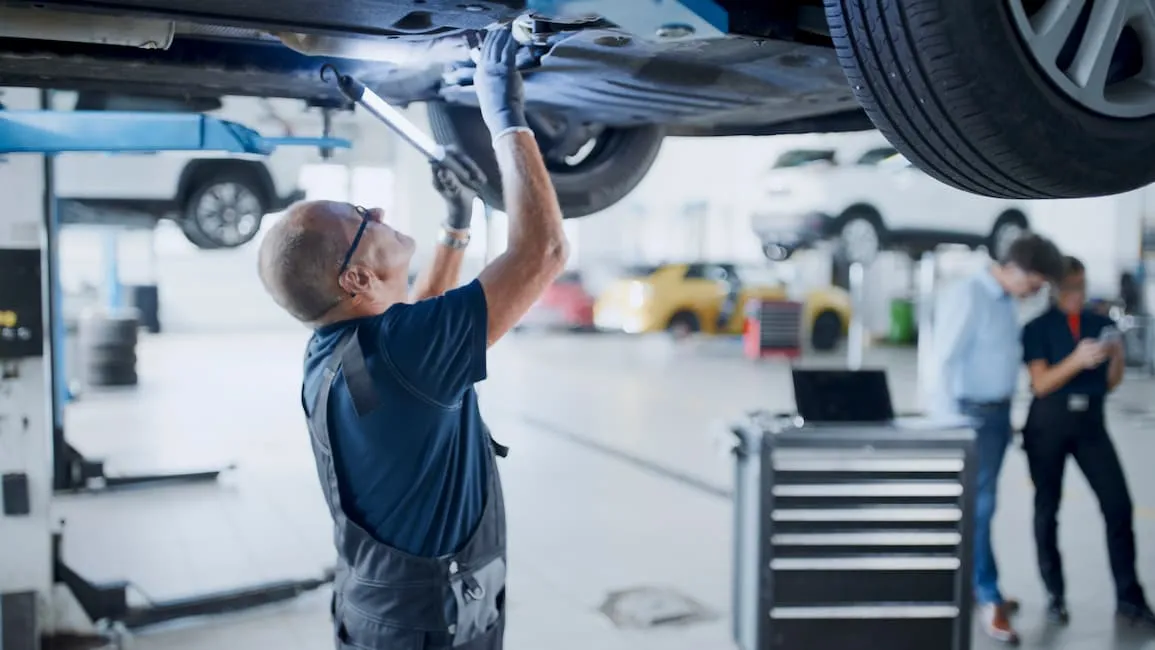
There are actually several types of services you will want to consider for your car, and all happen at different intervals over the life of your car.
Minor Service
Small but potentially mighty, minor services typically include:
- Engine oil and filter change
- Checking and topping up essential fluids, such as coolant, brake, and windshield washing liquid
- Brake and tyre inspection
- A check of battery, lights and windshield wipers
- A general visual inspection, including parts under the bonnet, car body, steering and suspension.
Major and Logbook Service
The next step up is your major and logbook service, which tends to happen at around the 6-12 month mark (depending on the service intervals and changes we’ve mentioned).
It includes:
- All of the basics covered by your minor service
- Deeper mechanical checks, such as transmission and driveline
- Parts replacements when required, such as spark plugs and wheel bearings
- Air conditioning/HVAC inspection
- Timing belt replacement.
Logbook servicing is not only important when it comes to covering warranties, but can also contribute to resale value, since any future buyers know the car has been taken care of.
The Dangers of Neglecting Car Maintenance
Skipping your car’s servicing is not recommended. Not only can it be a huge financial headache, but it can also be potentially dangerous.
For example, skipping minor services where fluids are checked and topped up can actually lead to catastrophic engine failure. This is because, without fresh oil, your car’s engine components suffer from increased friction and heat, which can lead to premature damage that goes on to affect the engine.
This means your car could unexpectedly break down completely - and if you don’t have roadside assistance, you will be paying for towing costs on top of costly repairs. Check out our full roadside assistance buying guide for a more comprehensive breakdown.
Additionally, over time, dust and other particles can cause filters to become clogged, spark plugs to wear out, and contribute to poor fuel consumption.
And of course, worn brake pads, low or uneven tyre tread depth, and faulty suspension components can pose safety concerns and lead to your car being labelled as unroadworthy.
Choosing the Right Mechanic for Your Vehicle
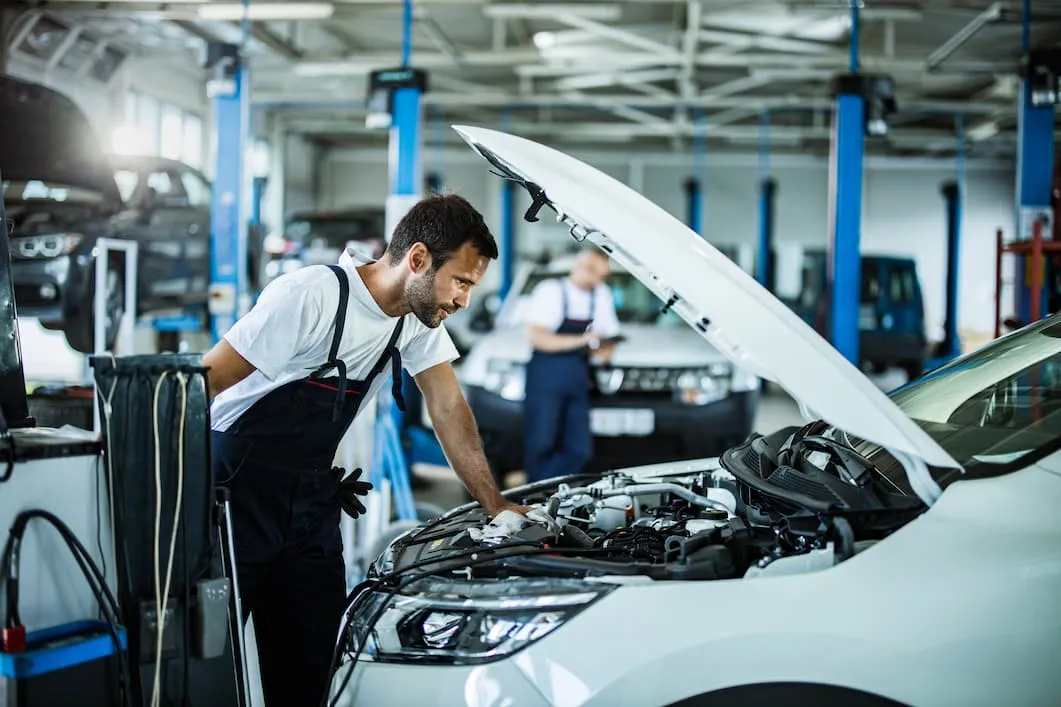
Finding the right mechanic for your car can be tricky. In general, you should look out for a mechanic that is experienced, qualified (holding at least a Certificate III in Light Vehicle Mechanical Technology), and hold a good reputation in the industry and community.
It’s also worth looking for mechanics that specialise in particular cars. For example, if you’re looking for someone to service a high-performance, imported or vintage car, seek out mechanics that do lots of work on those vehicles (and have reviews to back up their work).
What is Capped-Price Servicing?
You may have heard of the term capped-priced servicing in the past, and wondered if it’s a good deal for you.
Capped price servicing is offered by some car manufacturers. It means that the customer pays a fixed, predetermined price for scheduled maintenance services on a new car for a set period or kilometers driven. It provides assurance and encourages regular maintenance.
Don’t get caught up by unexpected breakdowns.Roadside assistance can potentially save you money in a pinch. |