
16 October 2025 | See disclaimer
Few things are as heart-warming as bringing a kitten home, but the flurry of decisions can be daunting. What will you name your newest family member? Which toys will keep them entertained? How will you introduce them to the rest of the household? Most importantly, how can you ensure your home is a safe, welcoming space?
Kitten proofing is the first thing you can do to protect your curious arrival from accidents or dangerous items. As your kitten grows and develops new habits, you’ll need to keep reassessing your home to ensure it remains a safe place for them.
Removing Common Household Hazards
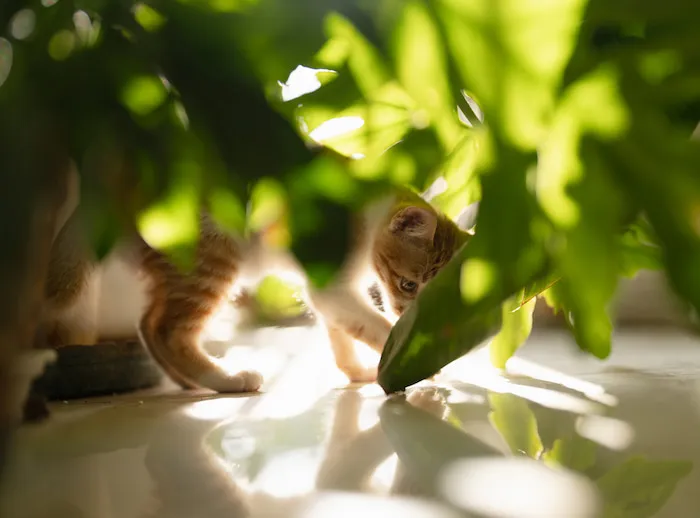
Kittens experience the world with their noses, paws and mouths. Everyday items that seem harmless to us can be toxic to them. Taking time to clear away hazards now can prevent vet visits later.
Toxic Items
Many household plants, human food and home supplies are poisonous to cats. It is important to store these out of reach or replace them with pet-safe alternatives.
- Do a sweep to ensure that your curious kitten doesn’t encounter any toxic indoor and outdoor plants.
- Seal food in containers or stow it away in cupboards so your new pet can’t sneak a bite of something harmful.
- Household chemicals such as cleaning sprays, bleach and detergent should also be locked away.
If you suspect your kitten has ingested something toxic, call the Australian Animal Poisons Helpline on 1300 869 738 immediately for advice.
Choking/Ingestion Hazards
Kittens love to pounce, chase and chew. String, yarn, dental floss, rubber bands, hair ties, plastic wrap, curtain cords and plastic bags all pose choking or intestinal blockage risks. Store them securely, and choose toys designed specifically for kittens.
Electrical Dangers
Electrical cords look like tempting chew toys. Use cord protectors, conceal wires behind furniture or use baby-proof outlet covers. Unplug appliances when not in use. This simple step can prevent accidentally electrocuting your kitten or short-circuiting your home.
Fragile Objects
Your kitten will climb, jump and knock things over as part of normal play. It is recommended you remove fragile items on display, such as ornaments, vases and picture frames, while your kitten is young.
Securing Your Space and Preventing Access
Once hazards are removed, think about the layout of your home. Physical barriers and secure storage places can save you constant worry.
Restricting Access
Curious kittens can often find their way into trouble. It is important to consider installing child-proof latches on cupboards or drawers that you prefer them not to venture into. For example, laundry and bathrooms often contain toxic cleaning chemicals, whereas kitchens are risky during cooking.
Give your kitten safe areas to explore and gradually introduce a new room under supervision.
Securing Entry and Exit Points
Their little bodies mean kittens can squeeze through surprisingly small gaps. It is important to fit sturdy screens on windows, check door seals, and close off open stairways to prevent falls or escapes.
Water Safety
Toilets, sinks, buckets and bathtubs are all potential drowning hazards for a tiny kitten. Keep toilet lids closed and empty buckets after use. Cover aquariums or fish bowls if you have them.
Furniture Safety
Being inquisitive creatures, heavy or tall furniture like bookshelves are ideal climbing posts for our little friends. It is important to check that large appliances are stable before welcoming your new friend home.
Creating a Safe and Welcoming Environment
Safety is only half the story. A kitten also needs a comfortable space to settle in and feel secure. For more tips on preparing for your new arrival, see our guide on bringing a new kitten home.
Kitten-Safe Zones and Supervision
Set up a dedicated “safe room” or a playpen for specific times when you can’t supervise. This gives your furry friend the chance to explore without requiring constant attention from you.
However, no matter how well you proof your home, nothing replaces watchful eyes. Take the time to observe how your kitten navigates its new surroundings. The added benefit of watching your kitten investigate lets you spot potential hazards before they become an issue.
Essential Supplies
Provide soft bedding, fresh water, kitten-appropriate food, a litter tray, scratching posts and plenty of safe toys. Rotate toys to keep play interesting. Choose climbing posts that are tall enough for your little adventurer, so your furniture isn’t used instead!
Ongoing Proofing and Maintenance
Kitten proofing is not a set-and-forget task. As your kitten grows and becomes more agile, risks will continue to appear. Therefore, it is important to ensure you are regularly checking your home by:
- Reassessing each room every few weeks
- Inspecting toys and scratching posts for wear and tear
- Securing new cords, plants or furniture straight away
- Remaining aware of your kitten’s whereabouts
- Staying up to date on common cat diseases and health risks.
When you treat kitten-proofing as an ongoing process, you are keeping your little explorer safe, which reduces the risk of an emergency visit to a veterinarian.
More time to enjoy cuddles and cuteness is a bonus.
Final Tips
- Save the Australian Animal Poisons Helpline number (1300 869 738) to your phone
- Share these guidelines with family members so everyone follows the same safety rules.
- Explore coverage for your kitten with cat insurance. Available for kittens over eight weeks old and cats under nine years of age.
- Remember, a little preparation goes a long way in welcoming home new kittens.