
12 March 2026 | See disclaimer
Few things are as exciting as welcoming a new puppy into the house! You get to experience an adorable bundle of fluff, energy, and of course, create a life-long bond between you and your new pup.
However, puppies can be a bit of a handful, especially if you have never had experience with them before. From chewing items to becoming escape artists, and even getting into places they shouldn’t, it’s best to try puppy proofing the house before your curious puppy even gets home.
Here’s how to puppy proof your home, so you can enjoy your time as they grow.
Get ready for your new puppy’s arrival
Know that your puppy is covered for accidents and eligible vet bills with 15%^ off a new pet insurance policy when purchased online.
Get a Pet Insurance quote
Terms, conditions, limits, sub-limits, waiting periods and exclusions apply. See Product Disclosure Statement for full details.
Preparing for Your Puppy’s Arrival
Being one step ahead (or perhaps more) is the best way to prepare for the arrival of your puppy and help to puppy proof your house. Puppies are high energy after all, and may chew objects due to natural changes such as teething, or simply exploring the world with their mouths.
It’s also important to understand that puppies are not destructive out of spite or revenge. For example, a puppy that has recently left its litter may experience anxiety and this is absolutely normal [1], which could then lead to destructive behaviour.
Of course, not all puppies will exhibit these kinds of behaviour – but it’s never a bad idea to be careful.
Declutter Living Spaces
This is a simple way to help establish a safe space for your puppy. For example, anything that you don’t want chewed on and can be removed: remove it.
This includes items such as shoes and clothing, electrical cords, curtains, sharp edges, small objects such as children’s toys, jewellery, rubber bands, paper clips, and other potential choking hazards.
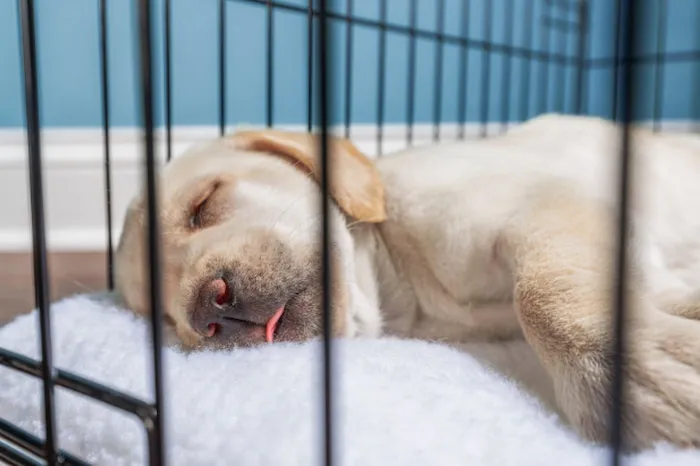
It’s best to keep an open yet safe area for the puppy to be contained. There are a number of puppy pen options available on the market, so you can keep your new puppy in their pen with safe toys and not have to worry about them getting into trouble while they are being trained.
Decide where the puppy can and cannot roam
It’s important to set boundaries early on. This might mean that your puppy isn’t allowed in the bedroom, bathroom, or kitchen, for example.
These off-limit areas can set up rules and training guides for a young dog. Establishing no-go zones can be very beneficial to teach early on, and create a better safety net for your puppy. A good way to corner off these areas is with a pet or baby gate.
Get your essential items
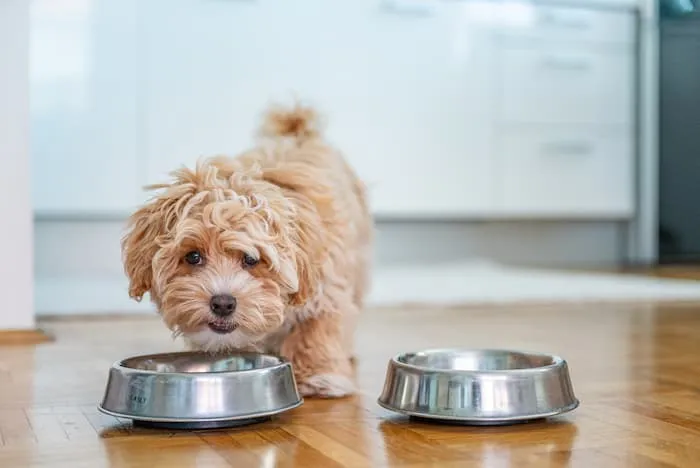
One of the best parts of bringing home a new puppy is shopping for them! There are a number of essentials you will need, including:
- Puppy-specific food (this is because puppy food is rich in proteins and fats necessary for development)
- Food and water bowls
- A collar, lead and harness
- Plenty of puppy safe toys
- Flea and worming medication suitable for puppies (puppies cannot take adult doses of medication)
- Grooming items such as puppy-safe shampoos and brushes
- A comfy bed
- A crate, if you intend to crate-train your puppy
Be sure not to feed food scraps to your puppy - it can lead to issues such as pancreatitis. It’s better to have puppy-safe treats on hand instead!
Look out for general household dangers
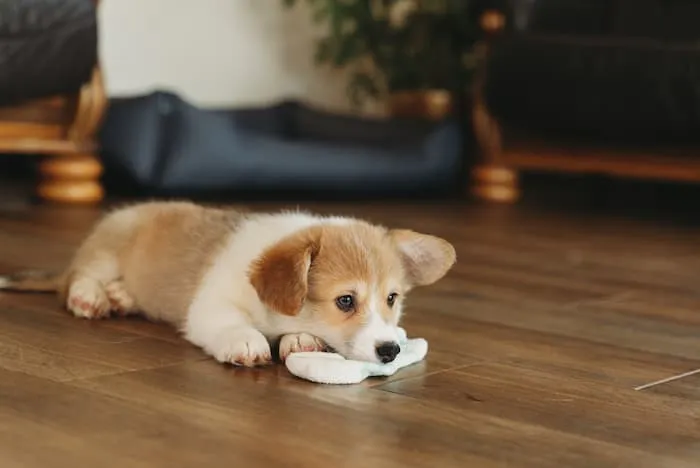
There are a number of internal household dangers for puppies that don’t know better – think of them as toddlers, in a way.
The secure storage of trash, as well as cleaning supplies, is an important note to take into account. To prevent accidental access, ensure that you store all cleaning products in locked cabinets. Trash cans can be secured with child-proof locks.
And of course, store medications out of reach of your new furry friend.
Cleaning and Organisation
Before you bring your new puppy home, it’s time to become aware of what’s in your cleaning products. Many cleaning products contain harsh chemicals, so it’s not a bad idea to look into more natural cleaning products that are pet-safe.
This also includes puppy shampoos. Young puppies have sensitive, developing skin and need the correct grooming products to prevent irritation.
You might also be surprised by the places that puppies get themselves into. Products for your car in your garage contain harmful chemicals. This is because a lot of coolants and similar products that you use on your car actually taste sweet to dogs [2], so keep them away from puppies and pets in general.
Don’t forget electrical safety
Be sure to remove electrical cords from anywhere a puppy may roam. Covering unused power outlets is also a good idea to prevent electrical shock. You can look for child-proofing products to help with this.
Small items such as batteries and television remotes should also be kept up and out of range.
Remember toxic plants and other indoor dangers
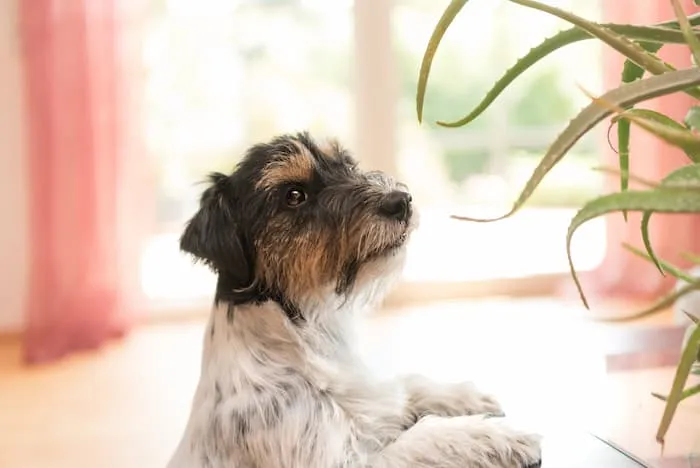
When it comes to a puppy proof house, it is important to consider your indoor plants.
Common plants - both indoor and outdoor - can present significant risks for dogs, so if you’re a plant-lover, it’s best to keep your plants out of puppy’s reach, along with other hazards. Common toxic plants include aloe vera, ferns, lilies, daffodil, fiddle leaf fig, azalea, sago palms, and more.
Other indoor objects that may pose a threat are heavy pieces of furniture (these can be fixed to a wall to prevent tipping).
Creating a Safe Outdoor Environment
Yard Safety and Fencing
Yard escapes can end in horrible experiences, so before bringing home your new puppy, make sure to do a perimeter check. Of course, ensure that your yard is fully enclosed with a secure, escape-proof fence. If you are bringing home a particular breed, also be aware that your fence will need to be at least six feet tall, as medium to large athletic breeds such as Border Collies and Siberian Huskies can easily clear fences that aren’t tall enough (while this won’t be the case for a puppy, it will certainly come in handy once they’re grown!).
Check to make sure there are no sharp objects or other physical hazards, and ensure that yard chemicals such as lawn fertilisers and poisons are kept out of reach. If you have a shed, keep it locked when not in use.
Another consideration would be to make sure that there’s no access to pools or ponds.
Lastly, if your puppy is in an unsecured outdoor area, be sure to keep them on a leash at all times.
Be sure to remove electrical cords from anywhere a puppy may roam. Covering unused power outlets is also a good idea to prevent electrical shock. You can look for child-proofing products to help with this.
Small items such as batteries and television remotes should also be kept up and out of range.
Socialisation and Training Spaces
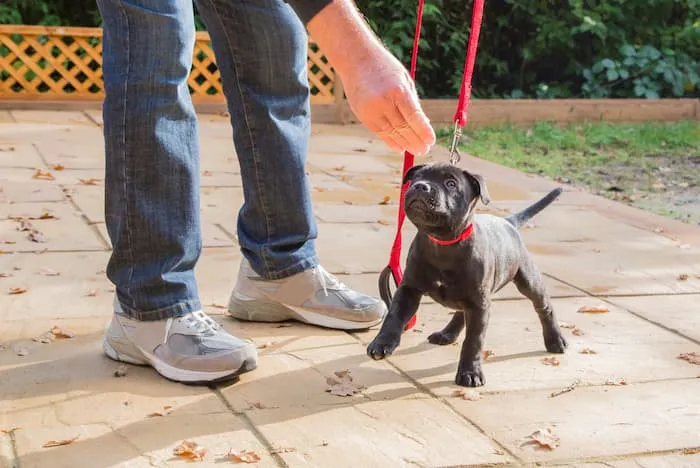
Training is one of the most important parts of puppyhood, setting them up for success later in life.
While commands such as sit and stay are great, going a step further and investing in professional training so that you can have your puppy walk well on a lead and even have good recall can be very useful in new environments where you may come across untrained dogs.
Socialising your own puppy is also vital (and no, this doesn’t mean they have to be around other dogs, although that is good too!). The socialisation process has them experience a range of new sights and sounds as they grow, with more challenging situations being presented slowly as they progress. From quiet streets to street markets, having your puppy used to sights and sounds at an early age means that you can take them with you on adventures.
Emergency Preparedness
Lastly, when it comes to your adorable new puppy, it’s best to have a doggy first aid kit ready – just as you would for humans! You can purchase pre-made ones for pets. These usually include medical tape, gauze, dressing, tweezers, saline, antiseptic, gloves, and more.
Also be sure to include emergency numbers in your first aid kit. These could include the Animal Poisons Hotline (1300 869 738), as well as the number of a local emergency vet.
And of course…don’t forget pet insurance. This can help cover pet owners for any of their pup’s potential accidents and eligible vet bills, giving you peace of mind even when your puppy is running about using up all their crazy energy!
Terms, conditions, limits and exclusions apply. See Product Disclosure Statement for full details.
See More Guides