
30 July 2026 | See disclaimer
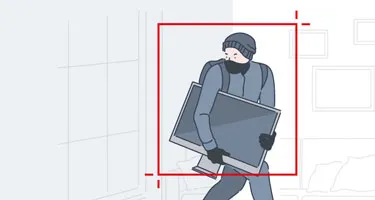
Your house is most likely one of your biggest financial assets and a safe place for you and your family to call home, which is why it’s crucial to protect it. In the 2024-25 financial year, 1.8 per cent of Australian households experienced a break-in, and 2 per cent of Australians faced an attempted break-in. [1]
As a homeowner in 2026, you might feel vulnerable about the security of your house, which is understandable, as this could lead to financial loss and a violation of your personal safety. Feeling safe at home is important. That’s why two key measures can help protect you from residential burglaries: security measures and insurance protection.
Secure Your Entry Points
Unlocked doors and windows are the first entry point where potential thieves might gain entry to your property. And according to Budget Direct’s latest 2024 survey on Home Burglary, 43% of survey respondents chose to add or change locks on their doors and/or windows after experiencing a break-in. [2]
You should regularly check your front door and windows are locked at all times, and install any additional locks in your home for personal safety.
Then you can secure your windows by installing:
- Glass break sensors
- Motion detectors
- Security screens
- Key-operated single-cylinder locks
And secure your doors by installing:
- Glass break sensors
- Motion detectors
- Two-cylinder deadlocks
- Key-operated locks or patio bolts (on all external sliding doors)
A tip for renters: confirm with your property manager that the locks have been changed since the last tenancy. Or if you’ve got your landlord’s permission, you can change the lock on the door when you move in. This will prevent anyone who previously lived in your home (with a copy of the same key) from attempting a break-in. A combination of current-market security measures, such as lighting, security systems, smart locks and video doorbells on your lower and upper levels, may prevent your home from theft.
As for garage doors, remember to keep them locked at all times. Garages can be easily forgotten, which can sometimes lead to an attempted break-in or other suspicious activity. A garage door opener will ensure that your garage door closes before you drive away, and your home is secure.
Keep in mind, if you have a two-story home, you still need to secure the top level. While a lot of homeowners look after their ground-floor windows, they may neglect their upper-storey windows and balconies when planning for home security.
You can limit access to your upstairs first floor by:
- Locking any gates around the perimeter of your home
- Trimming any low-hanging branches limiting access to your roof
- Replacing the locks on your second-floor windows
- Moving garbage bins (or anything someone could climb on top of) from underneath your windows
- Storing away items used to break into your home, such as ladders, garden tools and metal bars
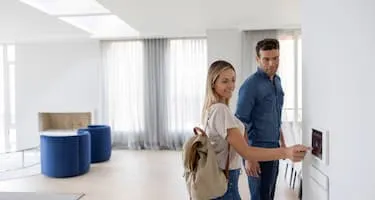
If you’re looking to invest in home security technology options for your windows and doors to help protect your home, it’s worth considering smart locks and video doorbells with a camera. With high-tech and internet-connected devices, these types of technologies can send live updates of your home straight to your mobile phone. [3]
Depending on your insurer, basic security or specific lock standards may be a requirement for some home and contents insurance policies. To know your exact insurance conditions, check your Product Disclosure Statement (PDS).
Outdoor Lighting and Visibility
Installing sensor lights on your property is another effective way to help protect your home from intruders.
Sensors can be installed inside and outside the home as well as on external doors, windows, frames and window sills. Door and window sensors are made up of two pieces that form an electrical circuit when closed, and if the circuit is broken, it’ll alert you.
This is also how motion sensors and glass break sensors work. Strategically positioning motion detector lights within the entry and exit points of your home and around the outside of your house to flood an area with light can ensure that any break-in attempts are immediately detected the moment they happen.
There are also smart technology lighting systems you can invest in that include timers, which you can schedule remotely to power on and off in your home. [4] Timed light switches and other fixtures can help ward off any lingering suspicious activity.
Protecting Your Home When It’s Unoccupied
Heading away on a holiday shouldn’t induce stress-related feelings towards leaving your home unoccupied. If you won’t be at home for weeks or months, it’s understandable that you may be worried about break-ins happening at your address.
But what happens to your insurance cover if you’re not at home? Is your home still covered when it’s unoccupied? If you have Home and Contents insurance, your home and belongings inside may still be covered for theft. As long as your home isn’t left unoccupied for more than 180 consecutive days, you’ll stay protected from potential break-ins.
However, if you’re travelling and leaving your property unoccupied for more than 60 consecutive days, you’ll need to follow specific security and safekeeping conditions as per your insurance policy. An additional excess may also apply for claims when the home was unoccupied.
Such conditions include ensuring all windows and doors are locked with security devices activated and arranging for someone to check your home and collect your deliveries regularly.
Without the right cover and knowledge of these security requirements, you could be left to pay the gap for any loss or damage caused by a break-in.
Before heading away, make sure your home insurance policy covers you when your home is unoccupied.
Home Security and Alarm Systems
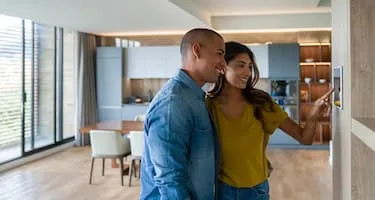
Recently, home security systems have transformed far beyond traditional systems. New technologies can now distinguish between family members and intruders with AI-powered surveillance cameras, deterring thieves from burglarising. [5]
These new alarm systems are designed to learn your household patterns and send alerts to your phone when unfamiliar faces are detected at your property. From voice-activated security that can act on command to AI cameras that analyse video, this may prevent the likelihood of suspicious theft behaviour at your home. [5]
A complete security system is made up of several electronic components that work together to protect your home. These components include:
- Interior and exterior motion sensors
- Floodlights
- A siren or alarm
- AI video doorbells
- Entry point sensors
- AI security cameras
- Glass-break sensors
If you’re upgrading your home with new alarm systems, make sure you let your insurance company know once this is installed in your home. You must activate the system promptly and continue to maintain it too.
Depending on your home insurer, you may be able to save on your premium if you have monitored alarm systems in place.
What to Do If Your Home Is Broken Into
Coming home to find your house has been broken into is one of the most disheartening experiences you may face as a homeowner. If this unfortunate situation happens, we suggest following the appropriate steps so you can be in the best position to lodge a successful claim.
- Refrain from touching anything in the home before reporting the break-in immediately to your local police and acquiring the report number the police assign.
- Document the theft, including what happened, the date and time and your address.
- Take images of the theft and any photos of the damage, and report any stolen property.
- Start your claim at any time that is convenient for you online, or call one of our friendly consultants from our claims team on 1800 069 336.
- We’ll make sure to reach out if we need extra information and stay in touch with you throughout the process.
Acting quickly once you discover a break-in at your home is important. What’s critical is ensuring your safety by calling the police to inform them, followed by contacting your insurer to make a claim.
See More Home Security Guides