
17 December 2025 | See disclaimer
There’s nothing quite like the freedom of the open road, but safe driving starts from the ground up. Your tyres play a crucial role in keeping your car stable, responsive and safe and one of the simplest ways to look after them is by checking their tread.
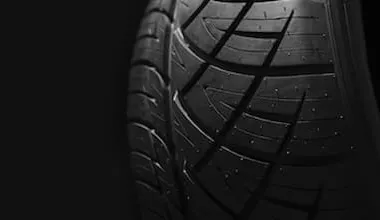
Tyre Tread is the patterned rubber on the surface of your tyres or the part that touches the road. It’s made up of grooves, tread blocks, ribs and tiny slits, all working together to give your vehicle grip.
The rule of thumb is simple: the more tyre tread you have, the better your driving and the lower your risk of accidents, which is why it’s essential to measure your car tyres regularly for wear and tear.
How to Measure Tyre Tread Depth
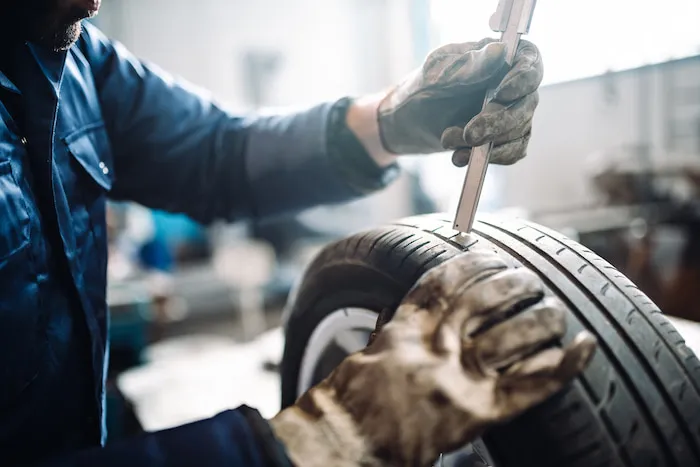
Measuring your tyres is surprisingly easy and only takes a couple of minutes.
Every car tyre has its own Tread Wear Indicator (TWI). This is a small, raised section moulded into the grooves of the tyre, usually marked by the letters “TWI” on the sidewall.
Once your tread depth wears down to the same level as that bar, it’s time to invest in new tyres.
You can also grab an Aussie 20-cent coin and slip it into one of the main grooves. If the tread doesn’t reach the platypus’ bill, you’ve got less than 3 mm of tread left, which is a good indicator those tyres need to be changed. A tyre tread gauge or ruler will also do the job.
For the most accurate check, take a few readings across the inner, centre and outer edges of each tyre. Tread wear can sneak up on you, especially if your wheels are out of alignment or your tyres aren’t properly inflated.
How to get the ideal tyre pressure for your car
Tread Wear & Safety Standards
Tread is your tyre’s secret weapon for staying in control, especially on wet roads. Those grooves disperse water away, allowing more rubber to stay in contact with the ground, assisting with steering and braking performance.
As those grooves become shallower, your tyres lose that ability. Less tread means less grip, which in turn reduces steering control, braking ability and hydroplaning resistance.
To keep drivers safe, all tyre designs must comply with strict legal requirements in Australia. These rules ensure every tyre meets minimum safety and performance standards.
When To Replace Your Tyres
The law requires you to service your tyres when tread depth reaches 1.6 mm, which is the minimum tread depth in Australia.
Most experts recommend replacing worn tyres when their tread depth drops below 3mm to keep braking performance and hydroplaning resistance at optimal levels.
It is important to remember older tyres should be replaced even if they haven’t reached the wear limit. This is because rubber hardens with age, limiting its ability to grip onto a surface, especially in certain conditions.
Tyre Tread Pattern Design
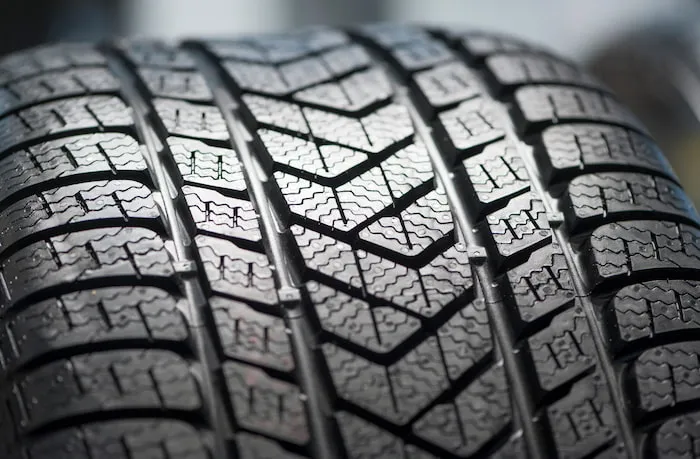
Tyre tread patterns aren’t just for decoration; every factor has a job to do. Tread blocks support traction and acceleration. Grooves encourage water dispersal in wet weather. Sipes add flexibility on slippery surfaces. Ribs contribute to stability and even wear.
All of these features are designed into patterns tailored to suit different driving needs. Whether you’re road-tripping to your favourite coastal town, tackling snow conditions during winter or cruising the highway into the city, each pattern affects the noise, performance and comfort of your journey.
How Different Tread Patterns Affect Performance
Tyre patterns are much alike shoes. If you were headed to the mountains, you’d put on your hiking boots, but if you’re going to the city, you might choose stilettos or boots. This is because each pattern changes how your vehicle behaves.
-
Symmetrical tyres are the same tread across the whole tyre, reliable, versatile and usually quieter on the ground. Great for consistent performance and easy rotation.
-
Directional tyres are practical for pumping water away in wet conditions and reducing hydroplaning on all driving surfaces.
-
Asymmetrical tyres are a hybrid of patterns for maximum traction and handling across different road conditions.
Keeping patterns consistent across all four tyres helps rotation, keeps handling balanced and avoids lack of traction when braking or cornering. Get your tyres fitted correctly and you’ll stay safer.
Maintaining Tyre Health
It is recommended to maintain good habits to keep tyre tread working as designed and to avoid costly surprises. So, remember to:
-
Check your pressure regularly: Under or over-inflated tyres cause uneven wear and tread surface. Our tyre pressure for cars guide shows you the ideal pressure for your vehicle.
-
Rotate every 10,000 km. Moving tyres front to back spreads the wear evenly. Never changed a tyre? Check out our how to change a tyre guide.
-
Get your wheels aligned. Misalignment scrubs tyre tread off quickly and can make your vehicle pull to one side.
-
Do a quick visual check. Look for cuts, bulges or anything stuck in the grooves when you’re filling up or washing your car.
-
Get your vehicle serviced regularly. Don’t wait for a tyre to hit the minimum legal limit, see our car servicing and maintenance guide.