

14 January 2026 | See disclaimer
Whether you’re moving house, calculating the value of your belongings, or you want to have a better idea of what you own, consider creating an inventory of your home’s contents.
So, what’s the best way to create an inventory list of your personal belongings?
The following article outlines a step-by-step guide on how and why you should create a home inventory.
What is a Home Inventory list?
A home inventory is a comprehensive list of your personal belongings and their estimated replacement value if your contents are stolen or destroyed in an insured event.
You can use your home inventory to:
-
Calculate how much insurance coverage you’ll need for your Home and Contents Insurance policy
-
Assist you as a reminder of all the contents in your home in the event of a claim
Providing Proof of Ownership
In addition to creating a home inventory list, for some of your contents you may need to provide proof of ownership. There are several ways you can provide your insurance company with proof of ownership of your contents items, including:
-
Sales receipts
-
Close-up photographs and videos
-
A certificate of authenticity
-
Valuations
-
Credit-card statements
-
Serial numbers
-
Owner’s manuals
-
Guarantee or warranty certificates
-
Product packaging
Optional Extras for Your Home Insurance
Choose from protective optional extras such as flood cover, accidental damage insurance, commercial storage cover, personal effects, motor burnout and a safeguard for your sum insured.
What extras should I consider with my home insurance?
How to Create a Home Inventory List
Keep Records of Your Valuable Items
The first step is to put together accurate records of all of your personal belongings. Not only will this help you keep track of your personal items, but it’s also very useful for insurance purposes.
It’s recommended that you keep all your receipts for large and valuable purchases, such as furniture and electrical goods. You can either file your paper receipts, take photos of them, or scan and store them in an app, save them on your computer or a USB memory stick.
Try to remember to update your inventory when you purchase new, expensive items or remove valuable items from your home.
If you can’t find the receipt for a particular item, you can always look through your credit card statements or bank account records for the purchase location, date of purchase and other details.
You may also have items in your home that were gifts or part of an inheritance. Now is a good time to have them appraised, if they’re valuable. These appraisals can then be added to your inventory.
Don’t Forget to Start Small
When moving from room to room in your home, major items such as fridges and washing machines are fairly obvious and are rarely forgotten in home inventories.
However, you could miss some significant items in your home if you don’t start with smaller and sometimes nondescript categories.
Here are some valuable items that are sometimes overlooked:
-
Personal computers, laptops and electronic tablets
-
Clothing (for example, wedding dresses, suits, leather jackets, handbags and shoes)
-
Collections (for example, coins, stamps and comic books)
-
Sports equipment
-
Musical instruments
Don’t forget that your insurance policy may have limits on the maximum amount they will cover certain contents items up to. For other items like jewellery, artwork and collections etc, you may need to specify these on your Insurance certificate to be covered for amounts higher than the stated policy limits. Refer to the PDS for full details of conditions, exclusions and limits.
Take Photos of Your Possessions
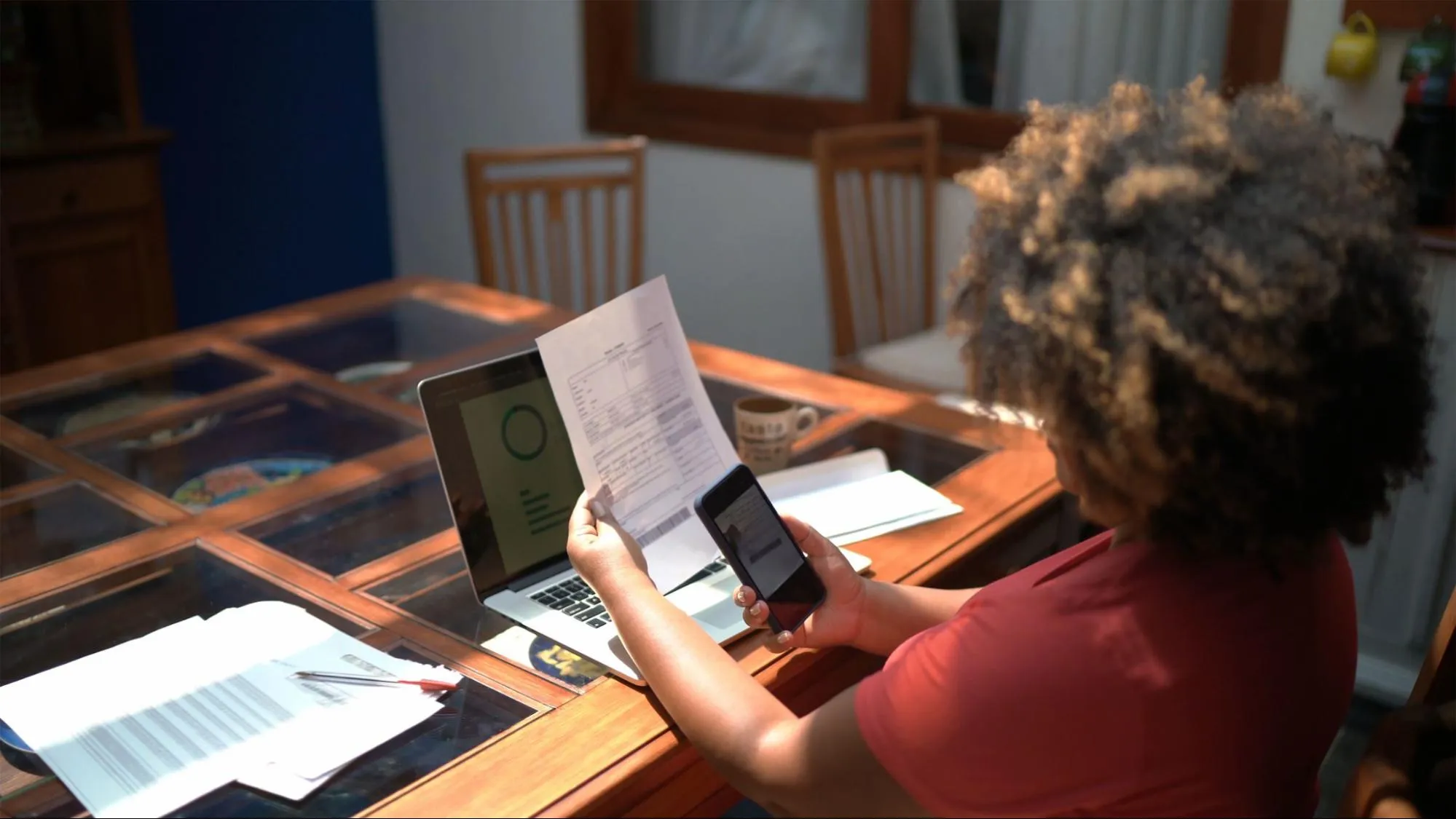
If you don’t like apps or spreadsheets, you can use your smartphone to take photos or videos of your belongings.
When you take photos, make sure you include serial numbers, model numbers and special features of your personal items. You can also use a ruler or a matchbox in photos, so it’s easier to identify the size of the item.
It’s also recommended that you take photographs of items that can’t be engraved, including:
-
Jewellery
-
Art
-
Collectables
-
Silverware
-
Stamp and coin collections
Once you’re done, you can store the photos or videos on an external hard drive or in a cloud-based software such as iCloud, Dropbox or Google Drive.
Different Types of Home Inventories
There are several ways you can create a home inventory, including:
-
On printed or written paper
-
Using home inventory software or applications
-
Using Microsoft Excel, Google Sheets or another equivalent program
Check if Your Valuable Items Are Covered
Creating a home contents inventory will not only help you keep track of your belongings but also help us process your claim faster. But before you make a claim, make sure you have the correct insurance for your contents.
For contents you keep at home, you’ll need Contents Insurance. While contents that you take away from the home are covered by Portable Contents Insurance, also known as Personal Effects Cover.
Quote First with Budget Direct Home Insurance
Having enough Home Insurance to cover everything in your Home Inventory will ensure you avoid underinsuring your personal belongings.
Get a quote for Budget Direct Home and Contents Insurance
See More Articles